
Pipes & leaks
Water leak detection
Leak detection finds where a pipe is leaking without tearing open walls and floors to look. Plumbers use pressure tests, acoustic listening equipment, thermal cameras and moisture meters to narrow the leak to a small area, so the repair opening can be small too.
- Emergency plumbing help
- Licensed local plumbers
- Price confirmed before work
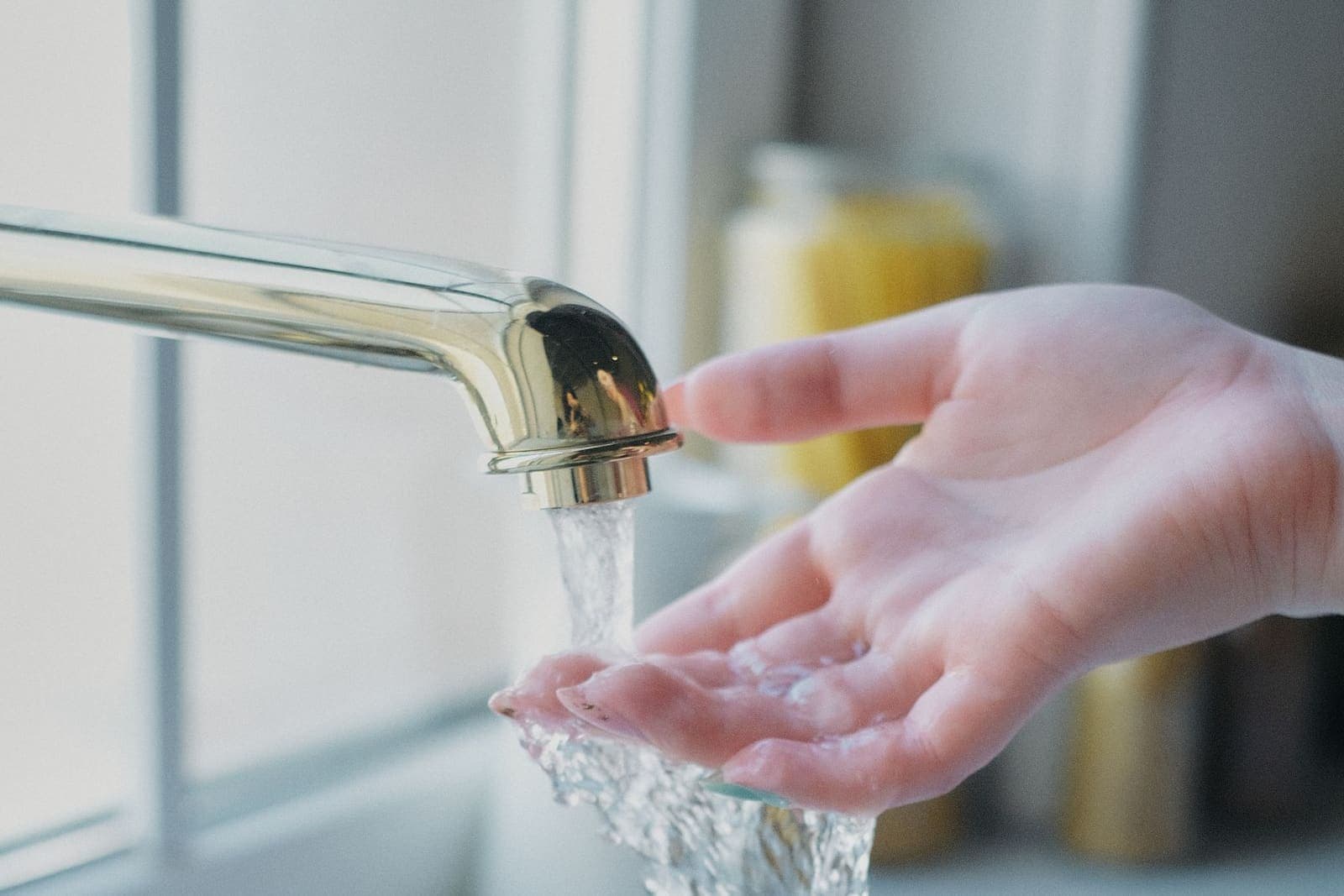
You can confirm a leak yourself: turn off every fixture and watch the water meter. If the leak indicator turns or the reading changes over half an hour, water is going somewhere. Finding where is the harder part.
The plumber first separates the possibilities: supply side or drain side, hot or cold, inside the house or in the yard line. Then they pinpoint it. Leaks under concrete slabs, in walls and in the service line between the meter and the house are the usual hidden ones.
Leak Detection at a glance
- Self-check
- Meter moving with all water off
- Tools
- Pressure test, acoustic listening, thermal imaging
- Common spots
- Slab, walls, service line, toilets
- Goal
- A small, accurate repair opening
Updated · How we write our pages
What are the signs you need a plumber?
- A water bill that rises with no change in use
- The meter moves when everything is off
- A warm spot on the floor
- Damp drywall, peeling paint or a musty smell
- The sound of water running when no tap is open
What does the plumber do?
- 1
Confirm the leak
A meter and pressure test confirms water loss and which side of the system it is on.
- 2
Isolate the zone
Hot and cold lines and individual branches are shut off in turn to narrow the area.
- 3
Pinpoint
Acoustic and thermal equipment mark the spot to within a small area.
- 4
Repair plan
The plumber explains whether a spot repair, reroute or repipe is the better fix.
What affects the cost of leak detection?
It depends on the job, and a plumbing company can only give a firm price after seeing it. Prices also vary by region and by time of day. These are the factors that move a quote up or down. Ask for the price in writing before work begins.
- Where the leak is: slab and yard leaks take longer to locate
- The equipment needed to find it
- Whether detection and repair are done in the same visit
- Pipe material and the access needed for repair
What can you do yourself, and when should you call a plumber?
Safe to try
- Do the water meter test with every fixture off
- Put food coloring in the toilet tank; color in the bowl means a leaking flapper
- Check under sinks and around the water heater for moisture
Call a plumber when
- Don't open walls on a guess
- Shut off the main if you see active water near electrical fixtures
Leak Detection questions
How do I know if I have a hidden water leak?
Turn off all water in the house and watch the meter for 30 minutes. If it moves, there is a leak. A bill that climbs without explanation and damp or warm spots are other common signs.
Can a leak be found without breaking the floor?
Usually, yes. Acoustic and thermal equipment locate most leaks from the surface. An opening is then made only at the marked spot for the repair.
How much water does a small leak waste?
A steady drip can waste thousands of gallons a year, and a running toilet can waste hundreds of gallons a day. The larger cost is usually the damage to floors, walls and framing.
What is leak detection?
Leak detection is the work of locating a leak in pipes you cannot see, in walls, under floors or underground, using pressure tests, acoustic listening devices, thermal cameras and moisture meters instead of opening surfaces to look.
How long does leak detection take?
Most leaks in a house are located in one to two hours. Leaks under a slab or in a long yard line can take longer.
Will my water company adjust the bill after a leak?
Many utilities offer a one-time leak adjustment if you show the leak was repaired, usually with a plumber's invoice. Ask your water utility for its policy.
Is a leak on my side of the meter my responsibility?
Yes. The homeowner is generally responsible for the service line from the meter to the house and everything inside. The utility is responsible for the main and the meter.
Where we connect homeowners with plumbers
Leak Detection requests are taken from across the United States. Local conditions change the work, so start with your city or find your state.
Related services
Slab Leak Repair
A warm spot on the floor or a climbing water bill can mean a leak under the slab.
Learn morePipe Repair
Leaking joint, pinhole in copper or a corroded section of pipe? See how plumbers repair water and drain pipes and reach a local pipe repair plumber..
Learn moreRepiping
Galvanized, polybutylene or failing copper pipes? See when a whole-house repipe makes sense, what it involves and how to reach a local repiping plumber..
Learn moreToilet Repair
Running toilet, leak at the base, weak flush or a clog a plunger won't clear? See what plumbers fix and replace, and reach a local toilet repair plumber..
Learn more
Guides on this topic
How to shut off your water in an emergency
Find your main water shutoff valve, close it the right way and learn how to shut off a single fixture or the water heater when a pipe leaks.
Read the guideSigns of a hidden water leak
A rising water bill, damp spots, musty smells and a moving meter all point to a hidden leak. Learn how to confirm one and narrow down where it is.
Read the guideSeasonal plumbing maintenance checklist
A season-by-season plumbing checklist: what to do in spring, summer, fall and winter, and how weather and climate change what your plumbing needs.
Read the guide
Need a plumber for this?
Call and tell us what's going on. Calling is free, and the plumber confirms the price before any work starts.