
Emergency plumbing
Sewer backup repair
Sewage rising in a floor drain, tub or toilet means the main sewer line is blocked. Stop running water and flushing, keep people and pets away from the area, and call a plumber. They clear the line through a cleanout and use a camera to find out why it blocked.
- Emergency plumbing help
- Licensed local plumbers
- Price confirmed before work
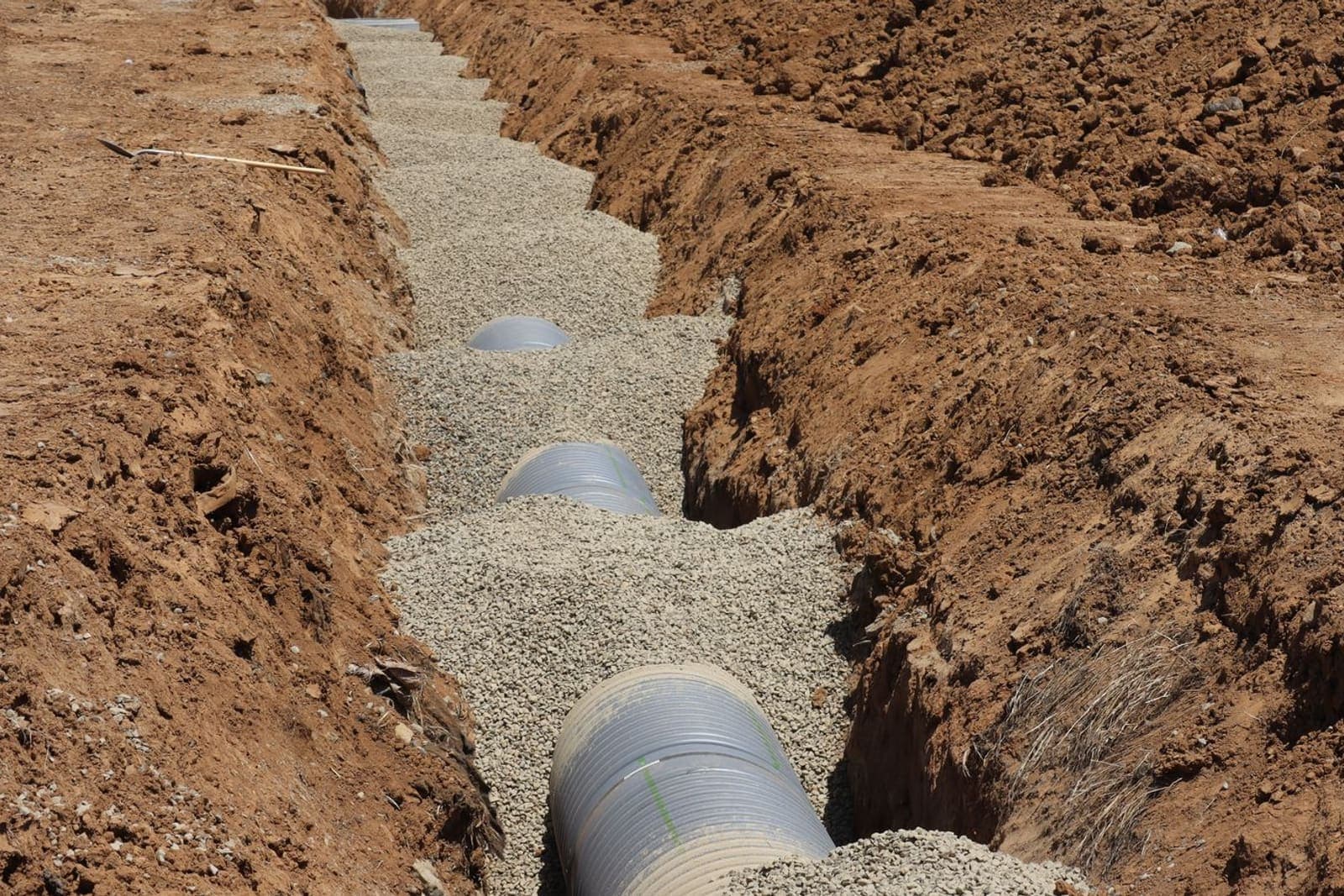
Every drain in the house joins one main line that runs to the city sewer or a septic tank. When that line is blocked, wastewater takes the lowest exit it can find, which is usually a basement floor drain, a shower or a ground-floor toilet.
Clearing the blockage restores flow, but the cause matters. Roots, a collapsed section, a sag that holds waste, or grease buildup each call for a different fix. A camera inspection after the line is open shows which one you have.
Sewer Backup Repair at a glance
- First step
- Stop using water in the house
- Typical fix
- Clear the main line through a cleanout
- Common causes
- Roots, grease, wipes, collapsed pipe
- Health note
- Sewage is contaminated; avoid contact
Updated · How we write our pages
What are the signs you need a plumber?
- Water or sewage coming up in a floor drain or tub
- Toilets gurgling when a sink or washer drains
- Several fixtures backing up at once
- A sewage smell in the basement or yard
- Wet, sunken or unusually green patches over the sewer line
What does the plumber do?
- 1
Open the line
The plumber runs a cable machine or jetter through the cleanout to restore flow.
- 2
Camera inspection
A camera goes down the pipe to find the cause and its distance from the house.
- 3
Explain the options
You see the footage and hear whether cleaning is enough or a repair is needed.
- 4
Repair if needed
Damaged sections are repaired, lined or replaced, with a permit where required.
What affects the cost of sewer backup repair?
It depends on the job, and a plumbing company can only give a firm price after seeing it. Prices also vary by region and by time of day. These are the factors that move a quote up or down. Ask for the price in writing before work begins.
- Whether there is an accessible cleanout
- What caused the blockage: a clog costs less than a broken pipe
- Depth and length of the sewer line
- Cleanup and disinfection of the affected area
- Whether the problem is in your line or the city main
What can you do yourself, and when should you call a plumber?
Safe to try
- Stop using sinks, toilets, showers and the washing machine
- Keep children and pets out of the affected area
- Ask neighbors whether they are backing up too; if so, call the sewer utility
Call a plumber when
- Don't pour chemical drain cleaner into a backed-up main line
- Don't wade into sewage without boots and gloves
- Don't run a rented cable into a line you can't identify
Sewer Backup Repair questions
Who is responsible for a sewer backup, me or the city?
In most cities the homeowner owns the sewer lateral from the house to the connection at the main, and the utility owns the main. If neighbors are backing up at the same time, the main is the likely cause and the utility should be called.
Is a sewer backup an emergency?
Yes. Sewage carries bacteria and the house has no working drains until the line is cleared. Stop using water and call a plumber the same day.
Will a sewer backup happen again?
It depends on the cause. Grease or wipes may not return if habits change. Roots and damaged pipe come back until the pipe itself is repaired, which is why a camera inspection is worth doing.
What is a sewer backup?
A sewer backup is wastewater flowing back into the house because the main sewer line is blocked or the public sewer is full. It appears first at the lowest drains, such as a basement floor drain or a ground-floor tub.
How long does it take to clear a sewer backup?
Clearing the line through a cleanout usually takes one to two hours. Cleanup and disinfection of the affected area take longer, and a damaged pipe needs a separate repair visit.
What is a backwater valve, and do I need one?
A backwater valve is a one-way valve on the sewer line that lets waste leave the house but closes if sewage flows back from the street. It is worth fitting in homes with basement fixtures in areas with combined sewers or a history of backups, and some cities require or subsidize it.
Is it safe to clean up a sewer backup myself?
A small spill on a hard floor can be cleaned with gloves, boots and disinfectant. Sewage that has soaked carpet, drywall or insulation should be handled by a water damage company, because those materials have to be removed.
Where we connect homeowners with plumbers
Sewer Backup Repair requests are taken from across the United States. Local conditions change the work, so start with your city or find your state.
Related services
Drain Cleaning
Clogged sink, tub, shower or main drain? Learn how plumbers clear drains with cables and jetting, and call to reach a local drain cleaning plumber..
Learn moreSewer Camera Inspection
A sewer camera inspection shows roots, cracks, sags and blockages before you pay for a repair or buy a house.
Learn moreSewer Line Repair
Cracked, root-filled or collapsed sewer line? Compare spot repair, pipe lining and replacement, and call to reach a local sewer line plumber..
Learn moreHydro Jetting
Hydro jetting scours grease, scale and roots from drain and sewer lines with high-pressure water.
Learn more
Guides on this topic
What affects the cost of emergency plumbing?
Emergency plumbing costs more than a scheduled visit. See the factors that set the price, the fees to ask about and how to keep the bill down.
Read the guideSigns of a sewer line blockage
Several slow drains, gurgling toilets and water backing up at the lowest fixture point to a blocked sewer line. Learn the signs and the next steps.
Read the guide
Need a plumber for this?
Call and tell us what's going on. Calling is free, and the plumber confirms the price before any work starts.