
Water heaters
Water heater replacement
A water heater should be replaced when the tank leaks, when it is past about 10 to 12 years and failing, or when repairs cost more than the remaining life is worth. A plumber sizes the new unit to your household, brings the installation up to current code and removes the old tank.
- Emergency plumbing help
- Licensed local plumbers
- Price confirmed before work
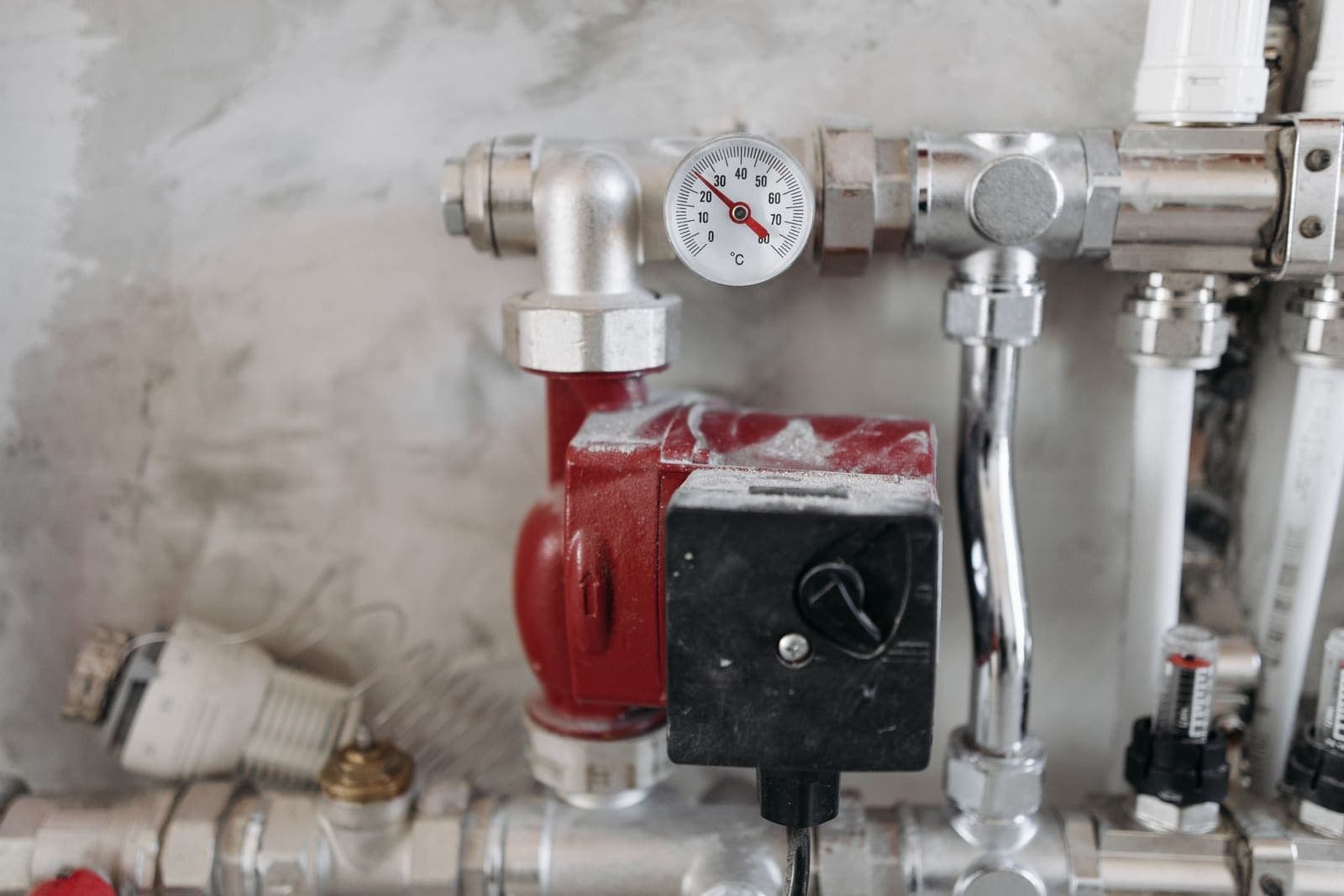
Replacement is more than swapping tanks. Codes change over the life of a heater, so the new installation may need an expansion tank, a drain pan, updated venting, seismic straps or a new gas shutoff. A permit is required in most places, and the plumber normally obtains it.
Size is chosen by first-hour rating, not gallons alone. The plumber asks how many people live in the house and how hot water is used at the busiest hour. Fuel type, space and venting decide whether a standard tank, a heat pump unit or a tankless heater fits.
Water Heater Replacement at a glance
- Replace when
- The tank leaks or is failing past 10 to 12 years
- Sizing
- By first-hour rating and household size
- Permit
- Required in most places
- Options
- Gas, electric, heat pump, tankless
Updated · How we write our pages
What are the signs you need a plumber?
- Water leaking from the tank itself
- Rust in the hot water only
- The heater is over 10 years old and unreliable
- Repeated repairs in a short period
- Not enough hot water for the household
What does the plumber do?
- 1
Size and select
The plumber matches capacity and fuel type to the household and the space.
- 2
Remove the old unit
The tank is drained, disconnected and hauled away.
- 3
Install to code
The new heater is connected with the valves, venting, pan and strapping local code requires.
- 4
Test and explain
The heater is fired, checked for leaks and correct venting, and the controls are explained.
What affects the cost of water heater replacement?
It depends on the job, and a plumbing company can only give a firm price after seeing it. Prices also vary by region and by time of day. These are the factors that move a quote up or down. Ask for the price in writing before work begins.
- Tank size and type
- Fuel: gas, electric or heat pump
- Code upgrades such as venting, expansion tank or pan
- Location: attic and closet installs take longer
- Permit and inspection fees
What can you do yourself, and when should you call a plumber?
Safe to try
- Read the age from the serial number on the rating label
- Note the fuel type, tank size and where the unit sits
- Shut off the cold supply valve and power or gas if the tank is leaking
Call a plumber when
- Don't install a gas water heater without training; venting errors cause carbon monoxide
- Don't remove the relief valve discharge pipe
Water Heater Replacement questions
How long does a water heater last?
A standard tank heater lasts about 8 to 12 years, less with hard water and no flushing. Tankless units often last around 20 years with regular descaling.
Do I need a permit to replace a water heater?
In most cities and counties, yes. The permit triggers an inspection of the gas, venting and relief valve, which are the parts that affect safety. The installing plumber usually pulls it.
What size water heater do I need?
As a rough guide, 40 gallons suits two to three people and 50 gallons suits three to four, but first-hour rating and how you use hot water matter more than tank size alone.
How long does water heater replacement take?
Replacing a tank with the same type and size takes two to four hours. Changing fuel type, moving the heater or converting to tankless can take a full day.
Should I replace my water heater before it fails?
Yes, if it is over 10 years old and sits where a leak would do damage, such as an attic, a closet or a finished basement. Planned replacement avoids water damage and an emergency-rate call.
Gas or electric water heater: which is better?
Gas heaters recover faster and usually cost less to run where gas is cheap. Electric heaters cost less to install and need no vent. Heat pump water heaters are the most efficient electric option but need space and airflow.
What is an expansion tank, and do I need one?
An expansion tank is a small tank on the cold line that absorbs the pressure created when water heats. It is required by code in homes with a closed system, meaning a check valve or pressure-reducing valve on the supply.
Where we connect homeowners with plumbers
Water Heater Replacement requests are taken from across the United States. Local conditions change the work, so start with your city or find your state.
Related services
Guides on this topic
How long does a water heater last?
Typical lifespans of tank, tankless and heat pump water heaters, how to read a heater's age from its serial number and the signs it is time to replace.
Read the guideTankless vs. tank water heater: which is right for your home?
Compare tankless and tank water heaters on upfront cost, lifespan, hot water supply, maintenance and what installation requires in your home.
Read the guideHow to check a plumber's license
Plumbing licenses are issued by states or cities. Learn where to look up a license, what to check and the questions to ask before work starts.
Read the guide
Need a plumber for this?
Call and tell us what's going on. Calling is free, and the plumber confirms the price before any work starts.