
Drains & sewer
Sewer line repair and replacement
A damaged sewer line is repaired by replacing the bad section, lining the pipe from the inside, or replacing the whole line. The right method depends on what a camera inspection shows: one break in otherwise good pipe suits a spot repair, while pipe that is failing along its length should be replaced or lined.
- Emergency plumbing help
- Licensed local plumbers
- Price confirmed before work
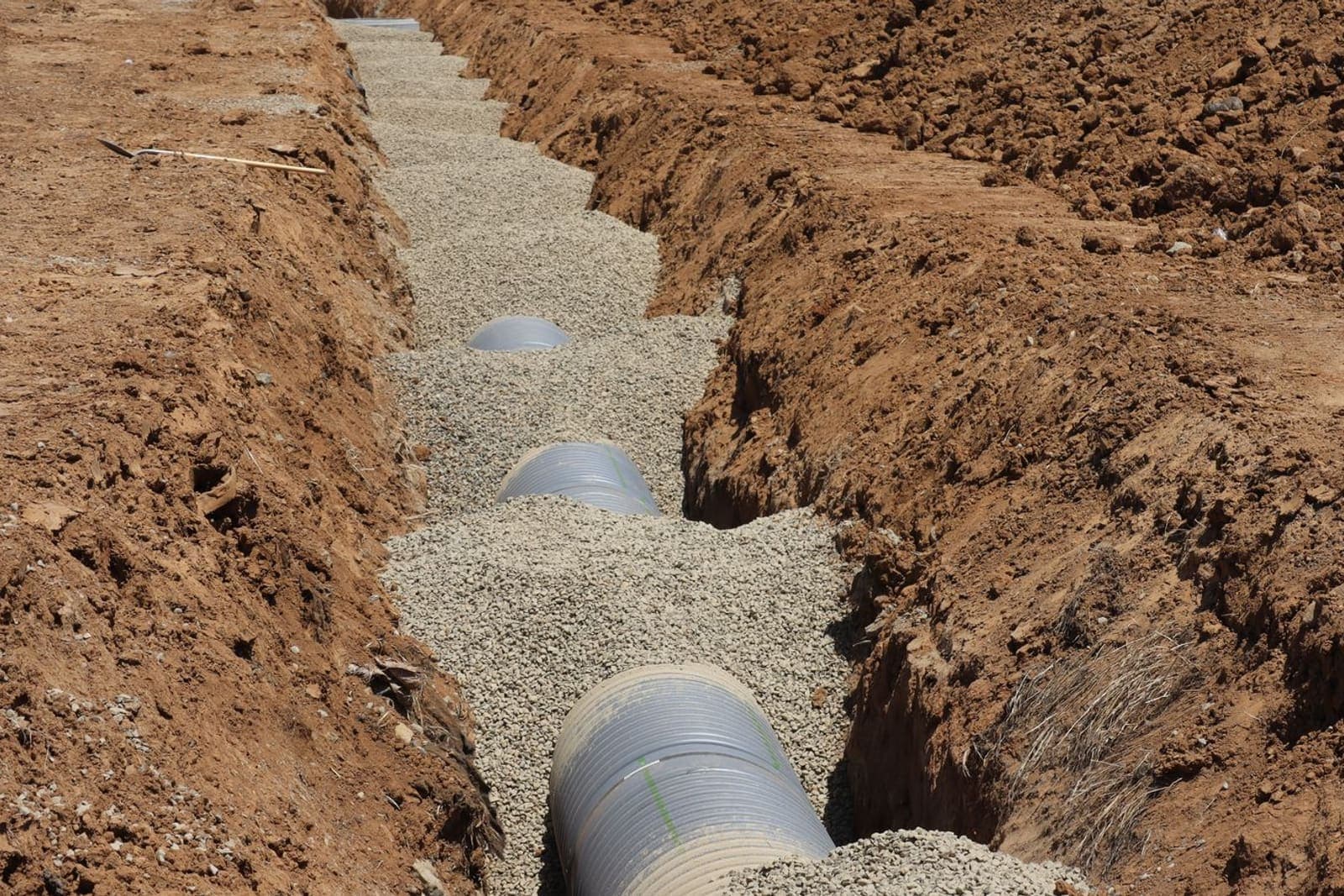
Sewer laterals fail from root intrusion at the joints, ground movement, corrosion in cast iron, and age in clay and fiber pipe. The symptoms are repeated backups, slow drains across the house and sometimes a wet or sunken strip in the yard.
Trenchless methods, such as cured-in-place lining and pipe bursting, replace or renew the pipe through one or two small pits and spare driveways and landscaping. They are not possible in every case: a pipe that has collapsed or lost its slope usually has to be dug up.
Sewer Line Repair at a glance
- Decided by
- Camera inspection footage
- Methods
- Spot repair, lining, pipe bursting, open trench
- Permits
- Usually required; the plumber pulls them
- Ownership
- Homeowner usually owns the line to the main
Updated · How we write our pages
What are the signs you need a plumber?
- Backups that return soon after the line is cleared
- Several slow drains throughout the house
- Sewage smell in the yard or basement
- A soggy or sunken area along the path of the line
- Roots or a break seen on camera
What does the plumber do?
- 1
Inspect and locate
A camera with a locator marks the depth and position of each defect.
- 2
Choose the method
The plumber explains spot repair, lining or replacement and why one fits your pipe.
- 3
Permit and utility marking
The plumber obtains the permit and has buried utilities marked before digging.
- 4
Repair and inspection
The work is done, inspected by the local authority where required, and the ground restored.
What affects the cost of sewer line repair?
It depends on the job, and a plumbing company can only give a firm price after seeing it. Prices also vary by region and by time of day. These are the factors that move a quote up or down. Ask for the price in writing before work begins.
- Length and depth of the damaged pipe
- Method: lining and bursting avoid most excavation
- What is above the line: lawn, driveway, sidewalk or street
- Permit, inspection and street-opening fees
- Pipe material and the condition of the rest of the line
What can you do yourself, and when should you call a plumber?
Safe to try
- Ask for a copy of the camera footage and the locations found
- Get the repair scope in writing before work starts
- Check whether your city or water utility offers lateral repair assistance
Call a plumber when
- Don't dig near a sewer line without utility marking (call 811)
- Don't plant trees or large shrubs over the lateral
Sewer Line Repair questions
Should I repair or replace my sewer line?
Repair makes sense when the camera shows one or two defects in pipe that is otherwise sound. Replacement or lining is better when the pipe has many root entries, cracks along its length or has reached the end of its life.
What is trenchless sewer repair?
Trenchless repair renews the pipe without digging a full trench. Lining cures a new pipe inside the old one, and pipe bursting pulls a new pipe through while breaking the old one apart.
Does homeowners insurance cover sewer line repair?
Standard policies usually exclude wear, roots and age. Some insurers sell a service line endorsement that covers the lateral. Check your policy before the work starts.
How long does sewer line repair take?
A spot repair or a trenchless lining is commonly finished in one day. Full replacement by open trench takes two to five days, depending on depth, length and what has to be restored on the surface.
How long does a new sewer line last?
PVC and HDPE pipe are expected to last 100 years. A cured-in-place liner is typically rated for about 50 years.
Do I need a permit to repair my sewer line?
Almost always. Sewer work is inspected because it connects to the public system, and work under a sidewalk or street may need a separate right-of-way permit. The plumbing company normally obtains the permits.
Can tree roots be stopped without replacing the pipe?
Cutting or jetting removes roots for a year or two. To stop them for good, the pipe has to be lined or replaced so the joints they enter through are sealed.
Where we connect homeowners with plumbers
Sewer Line Repair requests are taken from across the United States. Local conditions change the work, so start with your city or find your state.
Related services
Sewer Camera Inspection
A sewer camera inspection shows roots, cracks, sags and blockages before you pay for a repair or buy a house.
Learn moreHydro Jetting
Hydro jetting scours grease, scale and roots from drain and sewer lines with high-pressure water.
Learn moreSewer Backup Repair
Sewage in a tub, floor drain or toilet means the main line is blocked.
Learn moreDrain Cleaning
Clogged sink, tub, shower or main drain? Learn how plumbers clear drains with cables and jetting, and call to reach a local drain cleaning plumber..
Learn more
Guides on this topic
Sewer line repair vs. replacement: how to decide
When a spot repair or lining makes sense, when the whole sewer line should be replaced and how a camera inspection drives the decision.
Read the guideHow to check a plumber's license
Plumbing licenses are issued by states or cities. Learn where to look up a license, what to check and the questions to ask before work starts.
Read the guide
Need a plumber for this?
Call and tell us what's going on. Calling is free, and the plumber confirms the price before any work starts.