
Water heaters
Tankless vs. tank water heater: which is right for your home?
Published by Prime Plumbing · Updated · How we write our guides
Short answer
A tank water heater costs less to install and suits most homes without changes to gas or electrical service. A tankless heater costs more up front but supplies hot water without running out, lasts about twice as long and saves space. The deciding factors are your budget, how long you will stay and whether the house can supply the gas or power a tankless unit needs.
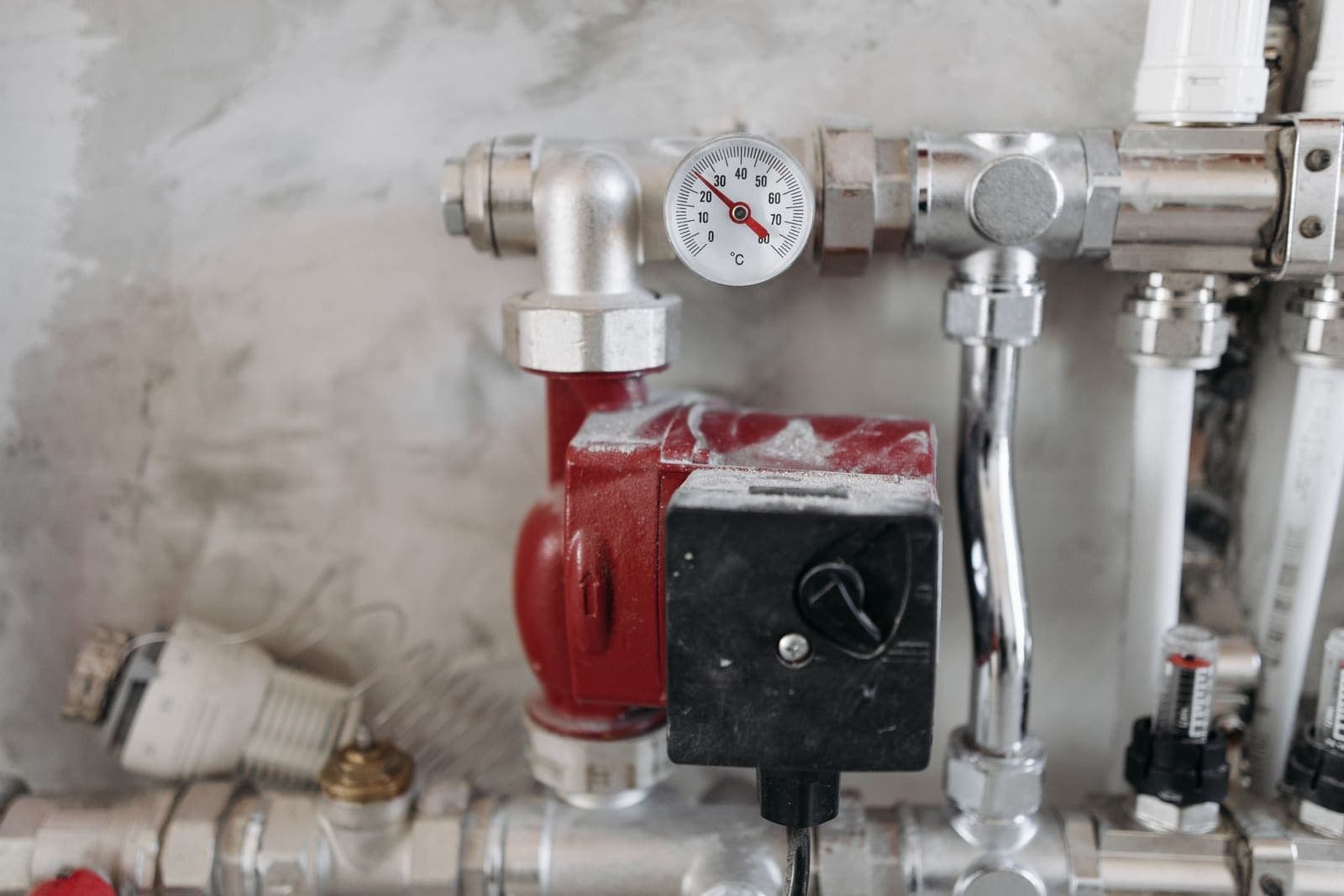
How do tank and tankless water heaters differ?
A tank heater keeps 40 to 80 gallons hot around the clock. A tankless heater fires only when a tap opens and heats water as it passes through. That removes standby heat loss, but the unit must deliver all the heat at the moment of use, which takes a large burner or heavy electrical circuits.
How do they compare at a glance?
| Tank | Tankless | |
|---|---|---|
| Upfront cost | Lower | Higher, largely from gas line, venting or electrical upgrades |
| Typical lifespan | About 8 to 12 years | Around 20 years |
| Hot water supply | Can run out | Continuous, limited by flow rate |
| Space | Needs floor space | Hangs on a wall |
| Maintenance | Flush yearly | Descale yearly in hard water |
When does a tank make more sense?
- You need a quick, lower-cost replacement
- The gas line or electrical panel cannot support tankless without major work
- The household's hot water use fits comfortably in a tank
When does tankless make more sense?
- The household regularly runs out of hot water
- You want the space back
- You plan to stay long enough to benefit from the longer life
- The home already has adequate gas supply and a simple vent route
When should I call a plumber?
Before deciding, have a plumber check your gas meter and line size or electrical panel, the vent route and the incoming water temperature for your region. Those four facts determine what a tankless installation would involve in your house.
Common questions
Do tankless water heaters give instant hot water?
No. They give endless hot water, not instant. Water still has to travel from the heater to the tap. A recirculation system shortens the wait.
Can a tankless heater run two showers at once?
A properly sized whole-house unit can. Capacity depends on the unit's flow rate and how cold the incoming water is, so sizing differs between warm and cold climates.
Further reading from official sources
- Water Heaters (ENERGY STAR)
This guide is general information for homeowners, not a substitute for an on-site assessment. Plumbing codes and permit rules vary by city and state.