
Water heaters
Water heater repair
Most water heater problems are repairable: a failed heating element, thermostat, thermocouple, igniter, gas valve or relief valve can be replaced. A tank that leaks from its own shell cannot be repaired and has to be replaced. A plumber can tell the two apart in one visit.
- Emergency plumbing help
- Licensed local plumbers
- Price confirmed before work
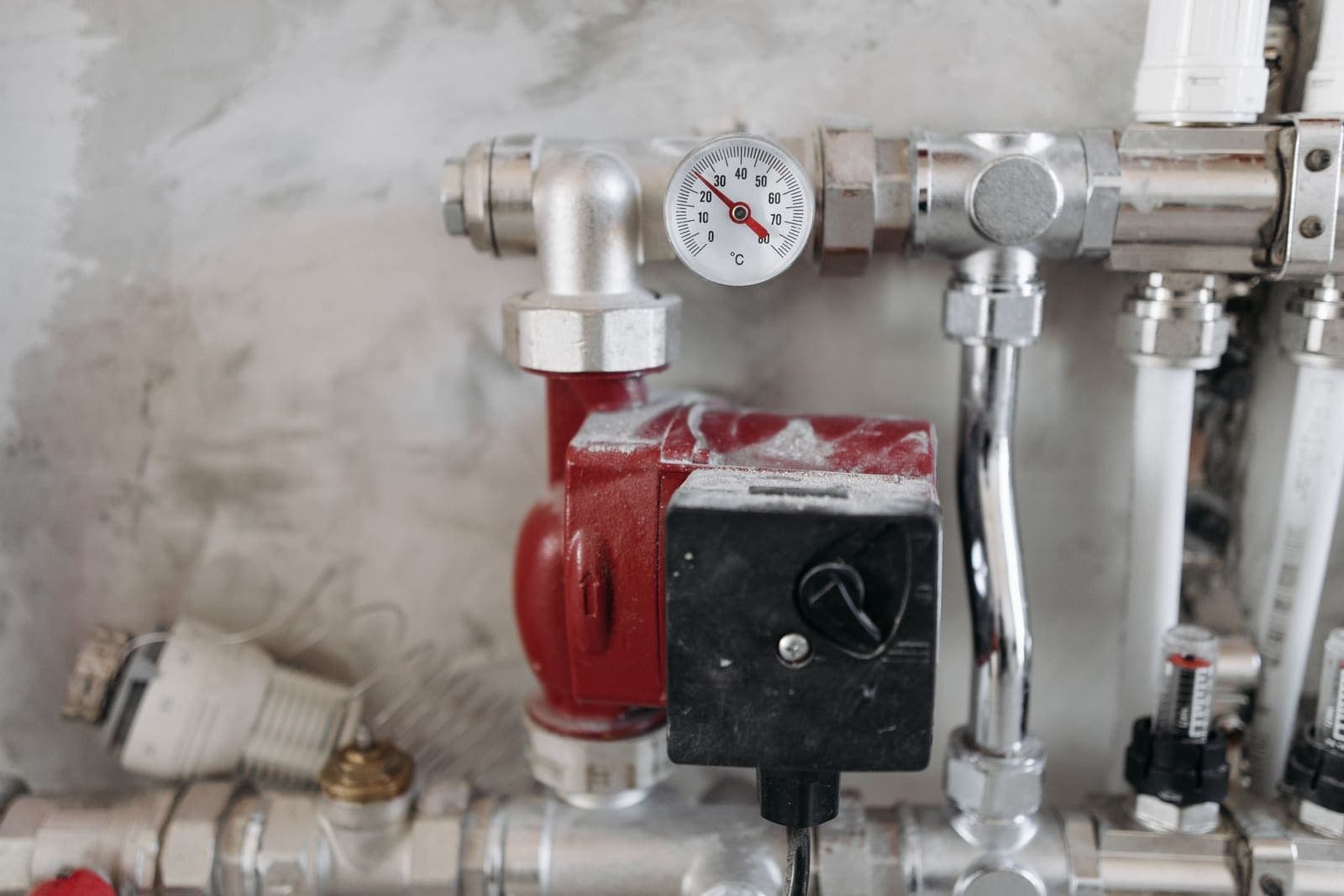
Electric heaters usually stop heating because an element or thermostat failed. Gas heaters go cold when the pilot or igniter fails, the thermocouple wears out or the gas control valve stops working. Sediment at the bottom of the tank causes popping sounds and shortens the supply of hot water.
Water at the base of the heater needs a closer look. A loose connection, a dripping drain valve or a relief valve that is discharging can all be fixed. Rust-colored water seeping from the tank seam means the liner has failed.
Water Heater Repair at a glance
- Often repairable
- Elements, thermostats, igniters, valves
- Not repairable
- A leaking tank shell
- Typical tank life
- About 8 to 12 years
- Safety
- Gas smell: leave and call the gas utility
Updated · How we write our pages
What are the signs you need a plumber?
- No hot water or hot water that runs out quickly
- Water that is only lukewarm
- Popping, rumbling or banging from the tank
- Water pooling at the base of the heater
- Rusty or smelly hot water
What does the plumber do?
- 1
Check the basics
Power or gas supply, breaker, pilot and thermostat setting are confirmed.
- 2
Test the parts
Elements, thermostats, the thermocouple and the gas valve are tested rather than guessed at.
- 3
Repair or advise
The failed part is replaced, or the plumber explains why replacement makes more sense.
- 4
Safety check
The relief valve, venting and connections are checked before the heater goes back in service.
What affects the cost of water heater repair?
It depends on the job, and a plumbing company can only give a firm price after seeing it. Prices also vary by region and by time of day. These are the factors that move a quote up or down. Ask for the price in writing before work begins.
- Which part failed
- Gas or electric, tank or tankless
- Age of the heater and parts availability
- Whether the tank needs flushing
What can you do yourself, and when should you call a plumber?
Safe to try
- Check the breaker for an electric heater
- Follow the label instructions to relight a pilot
- Confirm the thermostat is set near 120°F
Call a plumber when
- If you smell gas, leave the house and call the gas utility from outside
- Don't cap or plug a relief valve that is dripping
- Shut off power before touching anything on an electric heater
Water Heater Repair questions
Should I repair or replace my water heater?
Repair is usually worthwhile when the heater is under about 8 years old and the tank is sound. Replace it when the tank itself leaks, or when an older unit needs a costly part.
Why is my water heater making a popping noise?
Sediment has settled at the bottom of the tank, and steam bubbles are pushing through it. Flushing the tank helps. Left alone, sediment makes the heater less efficient and wears the tank faster.
Why does my hot water run out so fast?
Common causes are a failed lower element on an electric heater, a broken dip tube, or sediment taking up space in the tank. A household that has grown can also simply outrun the tank size.
How long does water heater repair take?
Most repairs, such as a heating element, thermostat, thermocouple or relief valve, take one to two hours when the part is on the truck.
Why does my hot water smell like rotten eggs?
Bacteria in the tank react with the magnesium anode rod and produce hydrogen sulfide. Flushing and disinfecting the tank and fitting a different type of anode usually cures it. It is more common with well water.
What temperature should a water heater be set to?
120°F suits most households. It is hot enough for daily use, limits scald risk and saves energy compared with the 140°F many heaters are shipped at.
Can I repair a water heater myself?
Relighting a pilot, resetting a tripped breaker and flushing the tank are homeowner tasks. Gas controls, venting and electrical parts should be left to a plumber, and some states require a license for the work.
Where we connect homeowners with plumbers
Water Heater Repair requests are taken from across the United States. Local conditions change the work, so start with your city or find your state.
Related services
Water Heater Replacement
Replacing a leaking or aging water heater? See how plumbers size, install and permit a new tank, and call to reach a local installer..
Learn moreTankless Water Heaters
Tankless water heaters heat water on demand and need correct gas, venting and descaling.
Learn moreLeak Detection
A high water bill, a damp wall or the sound of running water can mean a hidden leak.
Learn more
Guides on this topic
How long does a water heater last?
Typical lifespans of tank, tankless and heat pump water heaters, how to read a heater's age from its serial number and the signs it is time to replace.
Read the guideWhat affects the cost of emergency plumbing?
Emergency plumbing costs more than a scheduled visit. See the factors that set the price, the fees to ask about and how to keep the bill down.
Read the guideWater heater not heating: causes and what to check
No hot water or only lukewarm water? Check the breaker, the reset button or the pilot first, then see which parts usually fail on gas and electric heaters.
Read the guide
Need a plumber for this?
Call and tell us what's going on. Calling is free, and the plumber confirms the price before any work starts.