
Drains & sewer
Why does my drain keep clogging?
Published by Prime Plumbing · Updated · How we write our guides
Short answer
A drain that keeps clogging has a cause that the last clearing did not remove. In one fixture it is usually buildup on the pipe wall: grease in kitchens, hair and soap in bathrooms. When several fixtures are involved, the main line has roots, a sag or damage. A camera inspection settles the question.
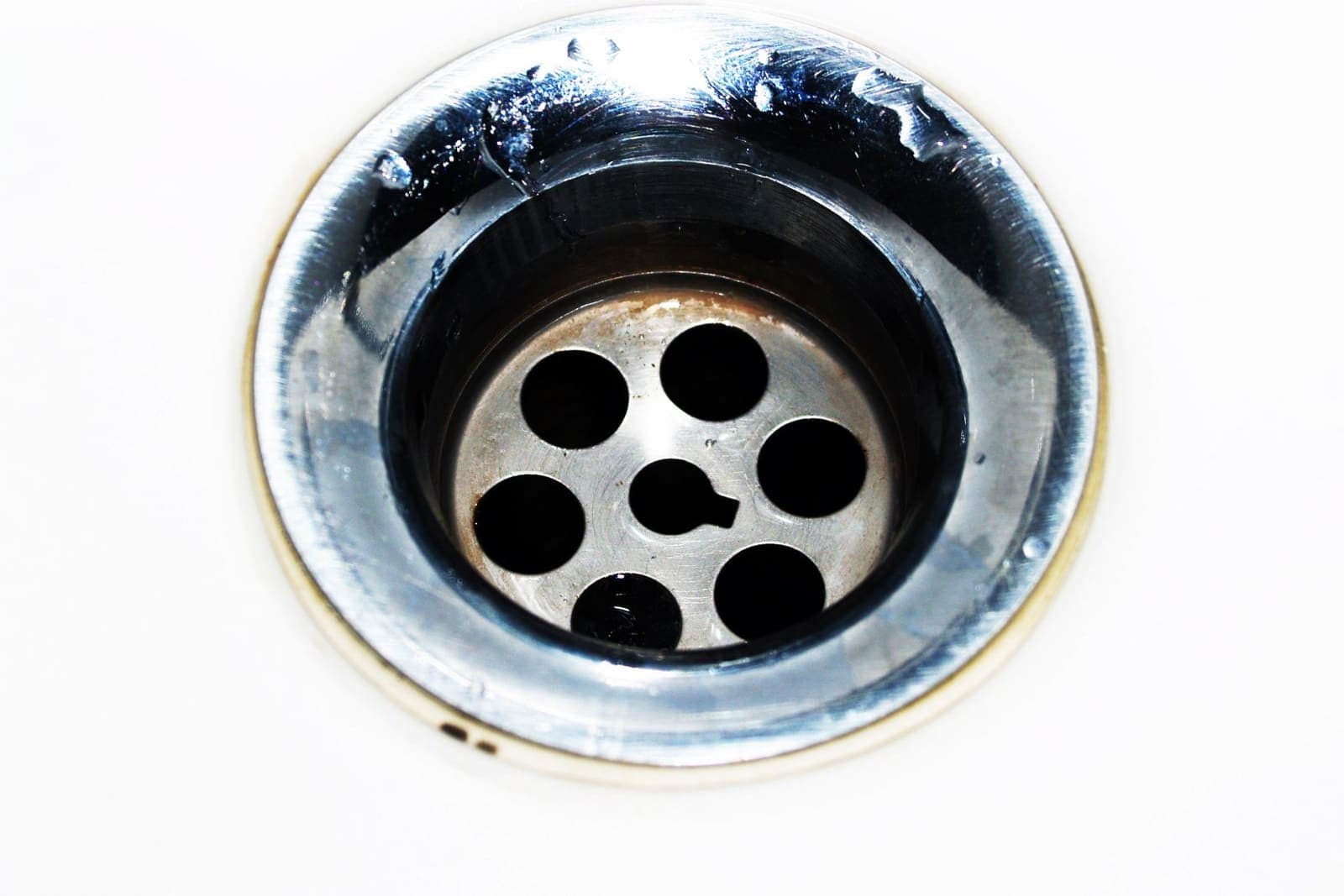
One drain or several?
This is the first thing to work out. One slow sink is a local problem in its trap or branch line. A toilet that gurgles when the washing machine drains, or a tub that fills when you flush, means the main line is restricted.
What causes clogs in each drain?
- Kitchen sink: grease and food coating the pipe, often past the trap where a hand snake cannot reach
- Bathroom sink and tub: hair bound with soap scum at the stopper and trap
- Toilet: wipes, too much paper or an object in the trapway
- Main line: tree roots, a belly in the pipe, scale in cast iron or a collapsed section
Why does snaking sometimes not last?
A cable punches a hole through soft buildup, and water flows again. The material left on the pipe wall catches the next round of debris. Hydro jetting washes the wall clean, which is why it lasts longer on grease and scale.
Which habits prevent clogs?
- Wipe grease from pans into the trash
- Use a hair catcher in the shower
- Flush only toilet paper; wipes labeled flushable do not break down
- Run plenty of water with the disposal
When should I call a plumber?
Call when the same drain has clogged more than twice in a year, when more than one fixture is slow or when you see sewage. The plumber clears the line with the right equipment and can run a camera to show the cause.
Common questions
Do drain cleaning chemicals fix recurring clogs?
No. They may open a small channel through a soft clog, but they do not remove buildup and they are harsh on old pipes.
Can tree roots really block a sewer pipe?
Yes. Roots enter through joints and cracks in search of water and grow into a mass that catches paper and waste. It is the most common cause of main-line backups in older homes.
Further reading from official sources
- How to Care for Your Septic System (US EPA)
This guide is general information for homeowners, not a substitute for an on-site assessment. Plumbing codes and permit rules vary by city and state.